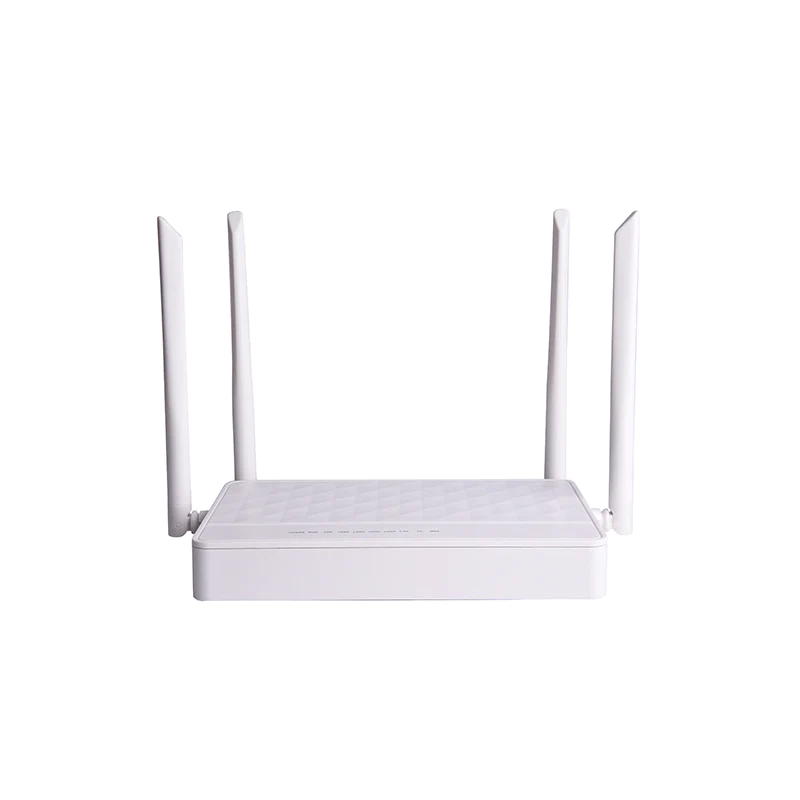
In the dynamic landscape of modern technology, where speed and efficiency are paramount, fiber optic equipment emerges as a game-changer in the realm of data transmission. This article will serve as a detailed introduction to fiber optic equipment, shedding light on its functionality, applications, and the transformative impact it has on communication networks.
Understanding Fiber Optic Technology
At the core of fiber optic equipment lies the revolutionary technology of transmitting data through optical fibers. Unlike traditional copper cables, fiber optics utilize thin strands of glass or plastic to transmit light signals, enabling data to travel at speeds unrivaled by conventional means. This technology forms the backbone of high-speed internet, telecommunications, and various other industries.

Components of Fiber Optic Equipment
Fiber optic equipment comprises several key components, each playing a crucial role in ensuring seamless data transmission. These components include optical fibers, connectors, transmitters, receivers, and amplifiers. Understanding the synergy between these elements is vital for grasping the efficiency of fiber optic systems.
Applications Across Industries
The versatility of fiber optic equipment extends across a myriad of industries, transforming the way data is transmitted and received. Telecommunications, internet service providers, healthcare, and even military applications benefit from the reliability and speed offered by fiber optic technology. The low signal loss and high bandwidth make it an indispensable tool in today’s data-driven world.
Types of Fiber Optic Equipment
Diving deeper into the world of fiber optics, various types of equipment cater to specific needs. Fiber optic cables, connectors, and transceivers are just a few examples. Each type serves a unique purpose, contributing to the overall efficiency and performance of the fiber optic network.

Advantages Over Traditional Systems
Comparing fiber optic equipment with traditional copper-based systems highlights its numerous advantages. From higher data transfer rates to immunity to electromagnetic interference, fiber optics outshine their counterparts in terms of reliability, speed, and overall performance. The reduced signal degradation over long distances is a testament to the robust nature of fiber optic networks.
Installation and Maintenance Considerations
While the benefits of fiber optic equipment are undeniable, proper installation and regular maintenance are critical for optimal performance. This section will provide insights into best practices for installation, ensuring that the system operates at peak efficiency. Additionally, maintenance tips will be explored to prolong the lifespan of the equipment.
Future Trends in Fiber Optic Technology
As technology continues to evolve, so does fiber optic equipment. This section will delve into emerging trends, such as increased data transmission speeds, enhanced security features, and advancements in equipment miniaturization. Staying ahead of these trends is crucial for businesses looking to invest in cutting-edge communication infrastructure.
Challenges and Solutions in Fiber Optic Networks
No technology is without its challenges. This part of the article will address common issues faced in fiber optic networks, ranging from signal attenuation to potential security threats. Practical solutions and troubleshooting tips will be provided to help businesses navigate potential obstacles.

Conclusion
In conclusion, the world of fiber optic equipment is a fascinating realm of innovation and efficiency. Its impact on communication networks is undeniable, offering unprecedented speed, reliability, and versatility. As we continue to push the boundaries of technology, fiber optic equipment stands as a beacon, illuminating the path toward a future where data transmission knows no bounds.
FAQs
- Q: What makes fiber optic technology superior to traditional copper cables?
- A: Fiber optic technology offers higher data transfer rates, immunity to electromagnetic interference, and reduced signal degradation over long distances.
- Q: Are there specific industries that benefit the most from fiber optic equipment?
- A: Yes, industries such as telecommunications, internet service providers, healthcare, and military applications benefit significantly from the reliability and speed of fiber optic technology.
- Q: How do I ensure the proper installation of fiber optic equipment?
- A: Proper installation involves following best practices, including careful handling of components and adherence to industry standards. Seeking professional assistance is recommended.
- Q: What are the future trends in fiber optic technology?
- A: Emerging trends include increased data transmission speeds, enhanced security features, and advancements in equipment miniaturization.
- Q: Can fiber optic equipment be used for residential purposes, or is it mainly for industrial use?
- A: Fiber optic technology is increasingly being used for residential purposes, offering high-speed internet and reliable connectivity for homes.